
March 4, 2026
How Long Does a DUI Stay on Your Record in Idaho?
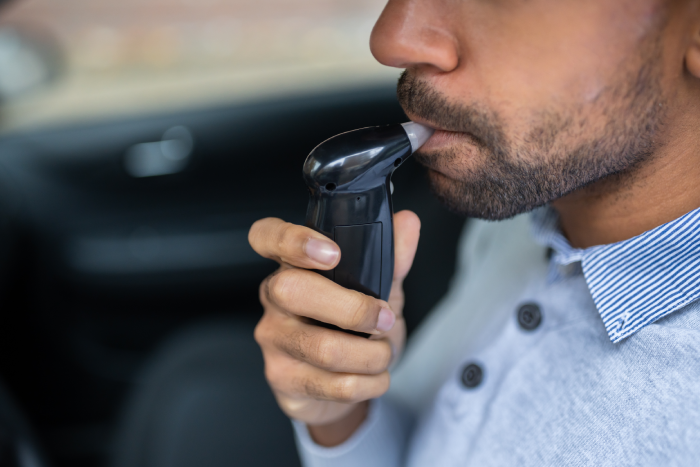
Breath tests can be used by a police department to measure a person’s blood alcohol concentration (BAC). For most drivers, there is a legal limit of 0.08%. If a driver’s BAC goes over this number, the results of the breath test can be used in court so that the state can presume that the driver was impaired. That driver may claim that they could still drive safely, but anyone who breaks this strict limit is technically in violation of the law.
Therefore, the results of a breath test are incredibly important. If it gives a false positive or a reading that is much too high, that situation could send someone to jail. As a result, there are specific breath-testing devices that have been approved, and only these devices can be used during traffic stops and in the wake of crashes. This is also why consumers cannot use the results of personal breath tests that they may have purchased online to dispute accounts in court. Not all breath tests are approved for legal use and only those that are can serve as evidence in a traffic-related criminal matter.
The U.S. Department of Transportation has put together a list of six different standards that an evidential breath testing (EBT) device must meet. Devices will only be approved for official use if they can:
If a device doesn’t meet these qualifications, it may not provide enough information to be used in court. For instance, if the test number isn’t printed, it’s difficult for the court to distinguish if results even apply to a particular individual driver. If the device can’t be calibrated on a set schedule, it’s impossible for the police to know if the results are even accurate to begin with.
Those who are facing drunk driving allegations may believe that the results of a breath test are questionable. It’s crucial that they understand exactly what criminal defense options they have available as a result. Seeking legal guidance can provide necessary clarity and support in this regard.